
The Evolution of Brand Storytelling
In the digital age, brand storytelling has evolved from clever slogans and catchy jingles to immersive, emotionally resonant narratives. Stories have always been at the heart of human communication, and successful brands are those that harness the power of storytelling to connect with audiences on a deeper level. However, as markets become increasingly crowded and consumers become more discerning, the challenge of crafting unique, authentic, and engaging brand stories has intensified.
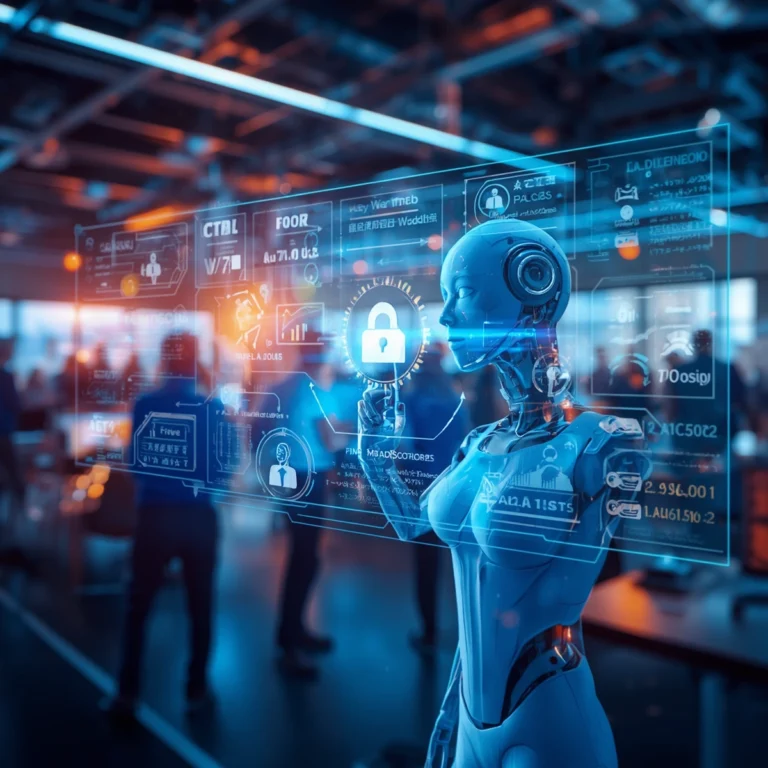
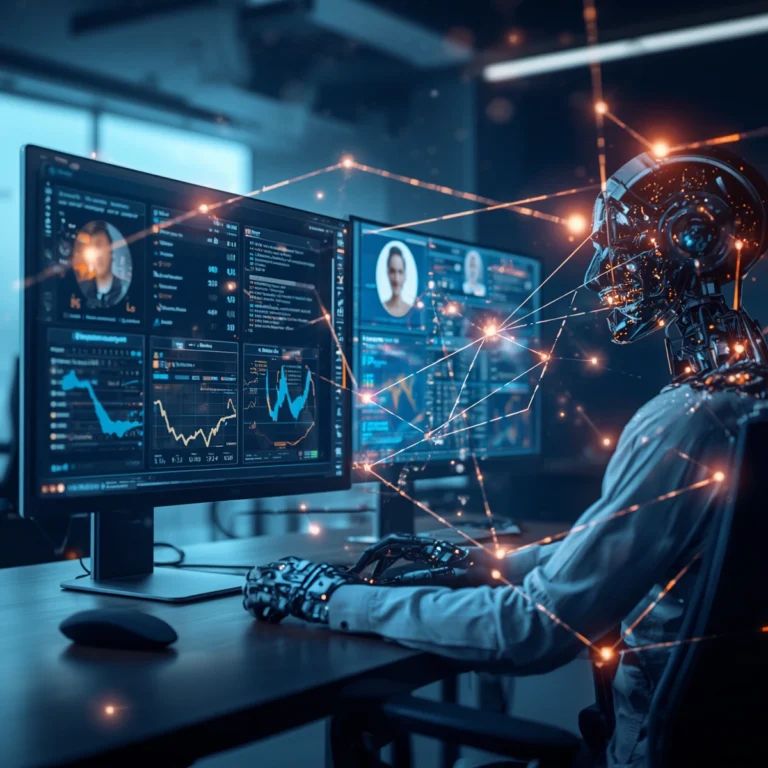
Enter neural storytelling—a transformative intersection of artificial intelligence, neural networks, and narrative design. AI agents equipped with natural language processing (NLP) and generative capabilities are now capable of crafting personalized, data-driven, and emotionally intelligent stories. These neural storytelling agents are redefining how brands engage with their audiences, enabling the creation of dynamic narratives on a large scale.
This blog post delves deep into the concept of neural storytelling, exploring how AI agents generate brand narratives, the technologies that power them, and the ethical and strategic considerations that come with their deployment.
The Rise of AI in Content Creation
Artificial intelligence has made tremendous strides in content creation over the past decade, transforming the way we approach writing, artistry, and storytelling. From automating news articles to generating poetry, music, and even entire scripts, AI has demonstrated its ability to mimic and, in some cases, enhance human creativity.
Large Language Models: The Game-Changer
A significant breakthrough in AI-driven content creation has been the development of large language models (LLMs) and transformer-based architectures, such as OpenAI’s GPT and Google’s BERT. These models are trained on vast amounts of text data, enabling them to learn patterns and relationships in language.
How LLMs Work
LLMs generate human-like language by predicting the next word in a sequence. Through fine-tuning and prompt engineering, these models can be adapted to produce content that aligns with specific:
- Tones: from formal to informal, serious to humorous
- Styles: from journalistic to creative, technical to conversational
- Purposes: from informative to persuasive, entertaining to educational
Neural Storytelling Agents: The Future of Brand Narratives
This foundational technology has paved the way for neural storytelling agents – autonomous or semi-autonomous AI systems designed to craft compelling narratives for brands. These agents can generate high-quality content, freeing human creatives to focus on strategy, direction, and creative vision. By leveraging LLMs and neural storytelling agent.
What Is Neural Storytelling?
Neural storytelling represents a groundbreaking fusion of artificial intelligence and creative expression, harnessing the power of artificial neural networks to generate narrative content that captivates and engages audiences. By combining computational creativity with linguistic intelligence, neural storytelling enables machines to produce stories that exhibit remarkable coherence, emotional depth, and audience relevance.
At its core, neural storytelling involves:
- Understanding the brand’s voice and values.
- Analyzing audience data and behavioral patterns.
- Generating narratives that align with brand identity and customer expectations.
- Adapting stories in real-time based on feedback and contextual changes.
These capabilities empower brands to tell stories not as static one-off messages, but as evolving, responsive narratives that resonate with diverse audiences.
Components of Neural Storytelling Agents
To generate compelling brand narratives, neural storytelling agents leverage several technological components:
1. Natural Language Processing (NLP)
NLP enables the AI to understand human language—its syntax, semantics, and sentiment. It plays a crucial role in interpreting brand guidelines, understanding audience responses, and ensuring that generated content maintains grammatical and contextual integrity.
2. Natural Language Generation (NLG)
NLG is the core engine that transforms data into coherent narratives. Using pre-trained language models and fine-tuning mechanisms, neural agents generate paragraphs, dialogues, slogans, and even full-scale story arcs.
3. Emotion and Sentiment Analysis
For a story to resonate, it must evoke emotion. Neural storytelling agents use sentiment analysis to gauge the emotional undertone of content and ensure it aligns with the intended brand message—be it inspiring, empathetic, humorous, or authoritative.
4. Personalization Algorithms
Using behavioral data, demographics, and psychographics, AI agents can tailor narratives to specific customer segments or even individuals. This personalization ensures that the right story reaches the right audience at the right time.
5. Feedback Loops and Reinforcement Learning
Modern AI systems can be designed with feedback mechanisms that assess how audiences respond to generated narratives. Through reinforcement learning, agents improve over time, optimizing stories for engagement, conversion, or brand recall.
How Neural Storytelling Agents Create Brand Narratives
The process of generating a brand narrative through neural storytelling involves several stages:
1. Ingesting Brand Identity and Voice
The first step is training the AI agent on the brand’s tone, values, and mission. This involves feeding it with style guides, past marketing materials, social media content, and customer communications. By learning the linguistic patterns unique to the brand, the agent can generate stories that are authentic and on-brand.
2. Understanding the Audience
Next, the agent analyzes customer data—purchase history, browsing behavior, feedback, demographic information—to create audience personas. This deep understanding enables the crafting of narratives that speak directly to consumer desires and pain points.
3. Generating Core Narrative Arcs
Using its understanding of both the brand and the audience, the AI crafts core storylines that serve as the foundation for content campaigns. These storylines can follow classic narrative structures such as the hero’s journey, the quest, or the rags-to-riches arc, infused with brand-specific elements.
4. Creating Multi-Channel Variants
The AI then adapts the core narrative to different formats—Instagram captions, email newsletters, blog posts, podcast scripts, or interactive chatbot dialogues—ensuring consistency while optimizing for platform-specific constraints and opportunities.
5. Iterating Based on Performance
Finally, the agent monitors content performance using metrics like click-through rates, dwell time, sentiment analysis, and conversion data. It uses this information to refine future narratives, making them more compelling and effective over time.
Real-World Applications of Neural Storytelling
Several brands are already experimenting with or fully integrating neural storytelling into their marketing operations.
1. Personalized E-commerce Narratives
Retailers use neural storytelling to generate product descriptions and promotional content tailored to individual customers. For example, a sportswear brand might create different storylines around a new running shoe, focusing on performance for athletes, comfort for casual users, and sustainability for eco-conscious consumers.
2. Interactive Brand Experiences
Luxury brands are leveraging AI to craft choose-your-own-adventure-style experiences. These interactive narratives allow customers to explore brand heritage, product features, and values in an immersive way, increasing emotional engagement and brand affinity.
3. Dynamic Social Media Campaigns
Brands are employing neural agents to monitor trending topics and generate real-time stories or responses that align with brand messaging. This enables them to participate in cultural conversations without compromising authenticity.
4. Conversational Commerce
AI-powered chatbots and virtual assistants are now capable of telling product stories through conversation. Instead of presenting static FAQs, these bots guide users through narrative-driven shopping experiences that feel personal and memorable.
The Ethical and Creative Implications
While neural storytelling holds immense promise, it also raises important questions around ethics, creativity, and trust.
1. Authenticity vs. Automation
Can a story generated by a machine truly feel authentic? While AI can mimic human tone and emotion, there is still debate over whether synthetic narratives carry the same emotional weight as human-created stories. Brands must balance automation with genuine human input to preserve authenticity.
2. Data Privacy and Consent
Personalization requires data, and that data must be collected and used responsibly. Brands must ensure transparency around data usage, secure consent, and comply with regulations like GDPR and CCPA to maintain customer trust.
3. The Future of Human Creativity
Some fear that neural storytelling could displace human creatives. However, a more optimistic view sees AI as an augmentation tool—handling repetitive or large-scale narrative tasks while freeing humans to focus on strategic, high-concept storytelling.
4. Bias and Cultural Sensitivity
AI systems can unintentionally replicate societal biases present in their training data. It is essential to audit neural storytelling agents for fairness and ensure they respect cultural sensitivities, particularly in global campaigns.
Designing a Neural Storytelling Strategy
To harness the full potential of neural storytelling, brands need a thoughtful strategy:
- Define the brand voice clearly and train AI models on this linguistic DNA.
- Invest in audience insights to enable deep personalization.
- Combine AI with human oversight to ensure emotional authenticity and ethical integrity.
- Establish feedback loops to iteratively improve storytelling effectiveness.
- Test across channels to find the optimal mix of narrative formats and delivery methods.
The Future: AI-Driven Story Worlds
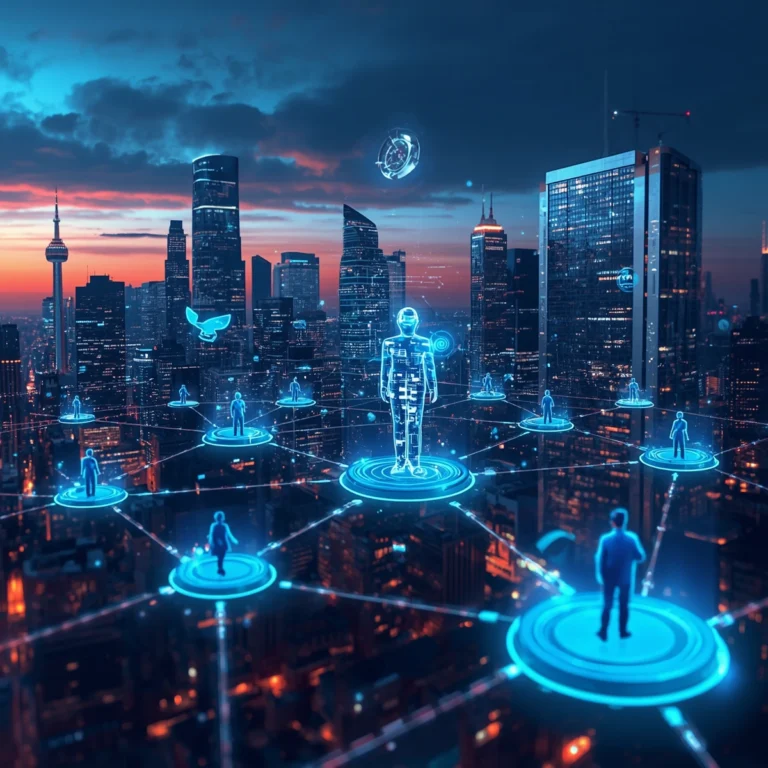
In the future, neural storytelling is expected to expand from individual stories to comprehensive story ecosystems. Envision a virtual universe for a brand, complete with AI-driven characters, plots, and environments, that seamlessly integrates across various media platforms such as video, social media, gaming, and immersive experiences. This dynamic brand world would adapt in real-time to global events, consumer trends, or new product releases, effectively making the brand’s narrative a vibrant and organic part of its identity.
Evolving Story Ecosystems
The future of neural storytelling is poised to revolutionize the way brands connect with their audiences. Imagine a virtual brand universe that transcends traditional narratives, instead becoming a sprawling ecosystem of AI-generated characters, plots, and settings. This immersive world would unfold across multiple platforms, including video, social media, games, and immersive experiences.
Real-Time Story Evolution
These branded story worlds could update in real-time, responding to global events, consumer behavior, or product launches. This dynamic approach would make storytelling a living, breathing extension of the brand, allowing it to stay relevant and engaging in an ever-changing world.
Collaborative Storytelling
AI agents could collaborate with consumers directly, co-creating stories and experiences that are personalized, participatory, and perpetually evolving. This collaborative approach would blur the lines between creator and consumer, turning storytelling into a shared journey. By empowering consumers to contribute to the narrative, brands can foster deeper connections and more meaningful relationships with their audiences.
A New Era of Storytelling
The future of storytelling is one of endless possibilities, where AI-driven story worlds offer a new frontier for brand engagement. By embracing this technology, brands can create immersive, dynamic, and collaborative experiences that captivate audiences and leave a lasting impression.
Conclusion: Storytelling as a Strategic Superpower
Neural storytelling represents a new frontier in brand communication—a realm where creativity meets computation, and where narratives are not just written but engineered. As brands navigate an increasingly complex and competitive marketplace, the ability to generate rich, resonant, and relevant stories at scale will become a strategic superpower.
But with this power comes responsibility. Brands must wield neural storytelling ethically, transparently, and creatively. The most successful will be those that blend human empathy with machine efficiency, crafting stories that not only sell but also inspire, connect, and endure.
In this brave new world of AI-generated narratives, one truth remains timeless: a great story well told will always move people—and now, with neural storytelling, brands have a powerful new voice to tell it.
DigitalsGalaxy helps B2B companies build reliable lead generation systems using cold email, LinkedIn outreach, AI voice agents, SMS follow-up, and CRM automation. We focus on the full outreach system — from infrastructure and targeting to messaging, follow-up, reporting, and optimization. Our goal is to help businesses create more qualified conversations and turn outbound into a scalable growth channel.