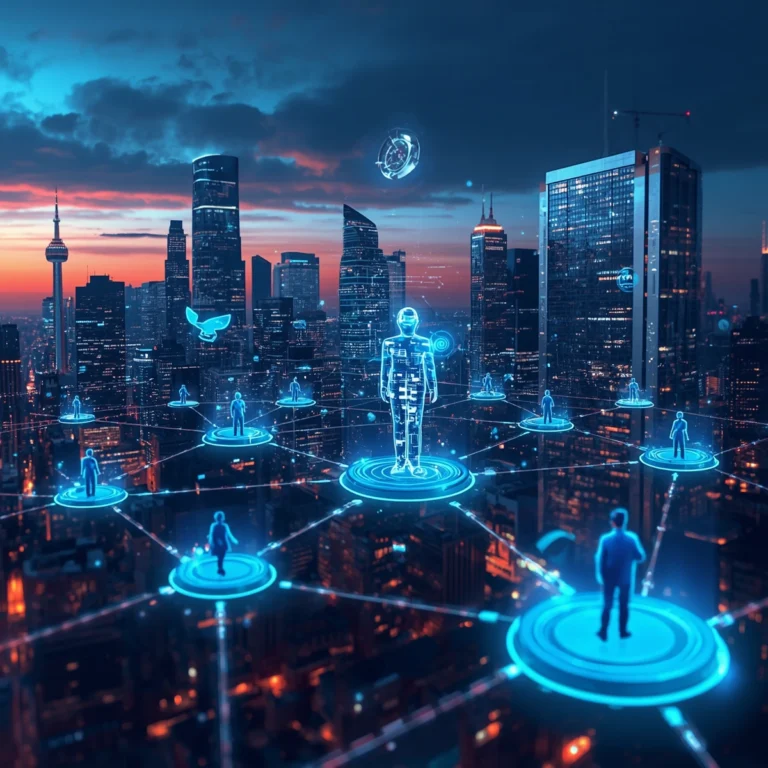

In the ever-evolving landscape of digital marketing, reaching the right audience with the right message at the right time has become both an art and a science. Traditional segmentation, which groups customers based on broad categories like age, location, or purchase history, is no longer sufficient to meet the demands of today’s hyper-connected consumers. Enter hyper-segmentation, a strategy that leverages artificial intelligence to divide audiences into highly specific, micro-targeted groups. Powered by AI agents, hyper-segmentation enables businesses to deliver ultra-personalized experiences at scale, transforming how brands engage with their customers. This blog post explores the power of hyper-segmentation and the role of AI agents in unlocking its potential for micro-audience targeting.
The Shift from Traditional to Hyper-Segmentation
Segmentation has long been a cornerstone of marketing strategy. By categorizing customers into groups based on shared characteristics, businesses could tailor campaigns to better align with audience needs. For instance, a retailer might target “young professionals” with ads for trendy apparel or “parents” with promotions for family-friendly products. While effective in its time, traditional segmentation often relied on broad assumptions, missing the nuances of individual preferences and behaviors.
The rise of digital channels, big data, and advanced analytics has ushered in a new era of hyper-segmentation. Unlike traditional methods, hyper-segmentation creates micro-audiences—small, highly specific groups defined by granular data points, such as real-time behaviors, psychographic traits, or contextual factors. A micro-audience might consist of “urban millennials who browse eco-friendly products on weekends and engage with sustainability blogs.” This level of precision allows brands to craft messages that resonate deeply with each group, driving engagement and loyalty.
Hyper-segmentation, however, is not feasible without advanced technology. Manually analyzing millions of data points to identify micro-audiences is time-consuming and error-prone. This is where AI agents come in, acting as intelligent orchestrators that process vast datasets, identify patterns, and deliver personalized content at scale. By automating the segmentation process, AI agents make hyper-segmentation accessible to businesses of all sizes.
What Are AI Agents in Hyper-Segmentation?
AI agents are autonomous software systems powered by machine learning, natural language processing, and predictive analytics. In the context of hyper-segmentation, they function as data-driven marketers, continuously analyzing customer data to create and target micro-audiences. These agents integrate with customer relationship management (CRM) systems, marketing platforms, and external data sources to build a 360-degree view of each customer.
Unlike traditional marketing tools, which require human input to define segments, AI agents operate independently. They use algorithms to identify patterns in behavioral data—such as website clicks, purchase histories, or social media interactions—and combine these with contextual data, like device type or time of day. They can also incorporate psychographic insights, such as values or lifestyle preferences, derived from sources like surveys or online activity.
For example, an AI agent might identify a micro-audience of “frequent travelers who prefer boutique hotels, use iOS devices, and follow adventure travel influencers on social media.” It could then recommend tailored content, such as a blog post about unique travel destinations, delivered via a personalized email campaign. By automating this process, AI agents enable businesses to target thousands of micro-audiences simultaneously, ensuring relevance and efficiency.
The Role of Data in Hyper-Segmentation
Data is the lifeblood of hyper-segmentation, and AI agents are uniquely equipped to harness its potential. These systems draw from a wide range of sources to create detailed customer profiles. Behavioral data, such as browsing patterns or email open rates, reveals what customers are doing. Demographic data, like age or income, provides context. Contextual data, such as location or weather, adds real-time relevance. Psychographic data, including interests or values, uncovers why customers make certain choices.
AI agents excel at processing this data at scale. They can analyze millions of interactions in real time, identifying correlations that human analysts might overlook. For instance, an agent might discover that customers who browse fitness gear on weekday evenings are more likely to respond to ads for home workout equipment. This insight allows the agent to create a micro-audience for targeted campaigns, increasing the likelihood of conversion.
Moreover, AI agents can handle unstructured data, such as social media posts or customer reviews, using natural language processing. This enables them to gauge sentiment or identify emerging trends, further refining their segmentation. For example, an agent might detect growing interest in sustainable fashion among a subset of customers, creating a micro-audience for eco-friendly clothing promotions. By synthesizing diverse data sources, AI agents deliver hyper-segmentation that is both precise and actionable.
Personalization Through Micro-Audience Targeting
The true power of hyper-segmentation lies in its ability to enable hyper-personalized marketing. AI agents use micro-audiences to deliver content that feels tailor-made for each individual, fostering a sense of connection with the brand. This goes beyond basic personalization, like using a customer’s name in an email. It involves crafting messages that align with a customer’s unique needs, preferences, and context.
Consider a global cosmetics brand. An AI agent might identify a micro-audience of “ Gen Z women in coastal cities who prefer cruelty-free makeup and engage with beauty tutorials on TikTok.” For this group, the agent could recommend a vegan lipstick line, delivered through a TikTok ad featuring a popular influencer. Meanwhile, another micro-audience—“working mothers who shop online late at night and prioritize skincare”—might receive a personalized email with a nighttime skincare routine guide. These targeted interventions ensure that each customer receives content that resonates with their lifestyle and interests.
AI agents also adapt in real time. If a customer’s behavior shifts—say, they start browsing organic skincare products instead of makeup—the agent can instantly reassign them to a new micro-audience and adjust the messaging. This dynamic personalization keeps campaigns relevant, even as customer preferences evolve, driving higher engagement and conversion rates.
Enhancing Engagement Across Channels
Modern customers interact with brands across multiple channels, from social media to email, websites to mobile apps. Ensuring a consistent and relevant experience across these touchpoints is a challenge, but AI agents rise to the occasion. By leveraging hyper-segmentation, they orchestrate cohesive campaigns that align with each micro-audience’s preferences and behaviors.
For instance, a retail brand might use an AI agent to target a micro-audience of “budget-conscious shoppers who browse clearance items on mobile devices.” The agent could send a push notification with a flash sale alert, followed by a retargeting ad on social media showcasing discounted products. If the customer visits the website, the agent could display personalized product recommendations based on their browsing history. This seamless, multi-channel approach creates a unified brand experience, reducing friction and boosting engagement.
AI agents also enable proactive engagement. Rather than waiting for customers to initiate contact, they can anticipate needs based on micro-audience data. For example, if a customer in the “frequent travelers” micro-audience searches for flights, the agent might send a personalized offer for travel accessories. By delivering timely, relevant content, AI agents keep customers engaged throughout their journey.
Driving Conversions with Hyper-Segmentation
Conversions are the ultimate goal of any marketing strategy, and hyper-segmentation significantly enhances this process. By targeting micro-audiences with tailored content, AI agents increase the likelihood that customers will take desired actions, whether it’s making a purchase, signing up for a newsletter, or booking a demo.
For example, an AI agent might identify a micro-audience of “small business owners who recently searched for accounting software.” Recognizing their high intent, the agent could trigger a personalized email with a case study highlighting how the software helped a similar business, paired with a limited-time discount. This targeted approach addresses the customer’s specific needs, making conversion more likely.
Hyper-segmentation also optimizes resource allocation. By focusing marketing efforts on micro-audiences with the highest potential, businesses avoid wasting time and budget on less promising groups. This efficiency is particularly valuable for industries with long sales cycles, like B2B software, where targeting the right prospects can significantly shorten the path to conversion.
Furthermore, AI agents continuously refine their targeting based on performance data. If a campaign for a particular micro-audience underperforms, the agent can analyze the results, adjust the segmentation criteria, and test new approaches. This iterative process ensures that campaigns become more effective over time, driving sustained improvements in conversion rates.
Overcoming Challenges in Hyper-Segmentation
While hyper-segmentation offers immense benefits, it comes with challenges. One major hurdle is data integration. AI agents require access to unified data to create accurate micro-audiences, but many organizations struggle with siloed systems. To address this, businesses must invest in customer data platforms or enhance their CRM capabilities to ensure seamless data flow.
Privacy and compliance are also critical considerations. With regulations like GDPR and CCPA, businesses must be transparent about how they collect and use customer data. AI agents can help by anonymizing sensitive information and respecting consent preferences, but companies must also educate customers about the value of personalized experiences to build trust.
Another challenge is managing complexity. Targeting thousands of micro-audiences requires robust infrastructure to handle data processing and campaign execution. Cloud-based AI solutions can provide the scalability needed, but businesses must also ensure their teams are equipped to interpret and act on the insights generated by AI agents.
The Human-AI Partnership in Hyper-Segmentation
While AI agents are the backbone of hyper-segmentation, human expertise remains essential. Marketers bring creativity and strategic vision, defining campaign goals and crafting compelling narratives. AI agents, meanwhile, handle the heavy lifting of data analysis and automation, freeing humans to focus on high-level strategy.
For example, a marketer might decide to target eco-conscious consumers with a sustainability campaign. The AI agent can then identify micro-audiences within this group, such as “vegan shoppers who follow green influencers” or “urban cyclists who shop for sustainable gear.” The marketer can use these insights to create tailored content, while the agent ensures it reaches the right audience at the right time.
Human oversight also ensures ethical use of hyper-segmentation. Marketers can review segmentation criteria to avoid biases, such as overemphasizing certain demographics or behaviors. This collaboration between humans and AI creates a balanced approach that maximizes both effectiveness and responsibility.
The Future of Hyper-Segmentation
As AI technology advances, the possibilities for hyper-segmentation will continue to grow. Generative AI could enable agents to create dynamic content, such as personalized videos or interactive landing pages, tailored to each micro-audience. Improved real-time analytics will allow agents to react to customer behavior in milliseconds, delivering even more timely interventions.
Emerging channels, like the metaverse or voice-activated devices, will also expand the scope of hyper-segmentation. An AI agent might target a micro-audience of “virtual event attendees who engage with AR product demos,” delivering personalized offers through a metaverse platform. These new touchpoints will provide richer data, enabling even more precise targeting.
Sustainability and social responsibility will also shape the future of hyper-segmentation. As consumers prioritize ethical brands, AI agents can identify micro-audiences who value transparency or environmental impact, tailoring campaigns to highlight these attributes. This alignment with customer values will strengthen brand loyalty and drive long-term success.
Conclusion: A New Frontier in Audience Engagement
Hyper-segmentation, powered by AI agents, represents a paradigm shift in marketing. By creating micro-audiences and delivering ultra-personalized experiences, these systems enable businesses to engage customers with unprecedented precision. From enhancing engagement to driving conversions, hyper-segmentation unlocks new opportunities for brands to connect with their audiences.
As businesses navigate challenges like data integration and privacy, the partnership between AI and human creativity will be key to success. Looking ahead, innovations in AI and emerging channels will further amplify the impact of hyper-segmentation, making it an essential strategy for modern marketing. In this new frontier, brands that embrace AI-driven micro-audience targeting will not only meet customer expectations but exceed them, building lasting relationships in a competitive world.
DigitalsGalaxy helps B2B companies build reliable lead generation systems using cold email, LinkedIn outreach, AI voice agents, SMS follow-up, and CRM automation. We focus on the full outreach system — from infrastructure and targeting to messaging, follow-up, reporting, and optimization. Our goal is to help businesses create more qualified conversations and turn outbound into a scalable growth channel.