
A New Era of Real-Time Response
In the age of digital communication, a single tweet can spark a global uproar, and a minor misstep can escalate into a full-blown reputational crisis. With media systems becoming increasingly decentralized and conversations happening across thousands of digital touchpoints, brands, government agencies, and institutions need to act quickly and strategically to protect their credibility. This challenge has led to the emergence of a new weapon in crisis communication: **AI agents for crisis management and PR monitoring**.
These intelligent systems are already transforming the way organizations perceive, respond to, and mitigate reputational threats. They bring new speed, scalability, and sophistication to the table, making it increasingly difficult to justify manual-only approaches. In this blog post, we will explore the growing importance of AI agents in crises, understand how they work, and look at how businesses and institutions are leveraging this technology.
The New Landscape of Crisis and Reputation Management
The public relations environment today is fast-moving and hyper-connected. News cycles are 24/7, and attention spans are shorter than ever. A piece of misinformation can go viral within minutes. Activism can be mobilized instantly on social media platforms. A negative review, once limited in scope, can now affect brand perception globally through online amplification.
This dynamic environment necessitates rapid situational awareness and real-time response—attributes that often exceed human capabilities due to sheer data volume and the need for rapid analysis. Traditional PR monitoring involves human analysts combing through media coverage, social channels, and stakeholder feedback. However, this process, although valuable, is inherently reactive and cannot provide the kind of instantaneous insight needed to deal with modern crises.
This is where AI agents come in. By harnessing the power of artificial intelligence, natural language processing (NLP), and machine learning, these systems are revolutionizing the way organizations manage their public reputation.
What Are AI Agents in Crisis Communication?
AI agents in crisis communication are intelligent systems designed to monitor media and communication channels, detect potential threats or negative sentiment, and either alert human teams or autonomously take actions to mitigate crises. Unlike static software tools, AI agents are dynamic, often capable of learning, adapting, and becoming more efficient over time.
These agents work across various platforms, including traditional news outlets, blogs, forums, social media, messaging services, and even dark web channels. They can track keywords, sentiments, user behavior, and geopolitical events to find early signals of crises or PR disasters.
More advanced agents not only monitor and report but also provide recommendations or engage with stakeholders through chatbots, auto-generated public statements, or automated customer service tools. In essence, they turn from mere watchers to doers, actively influencing outcomes instead of simply observing them.
The Core Functions of AI Agents in Crisis Situations
The utility of AI agents in PR and crisis management can be broken down into several core functions, each of which replaces or significantly enhances traditional manual tasks.
Real-Time Monitoring and Signal Detection
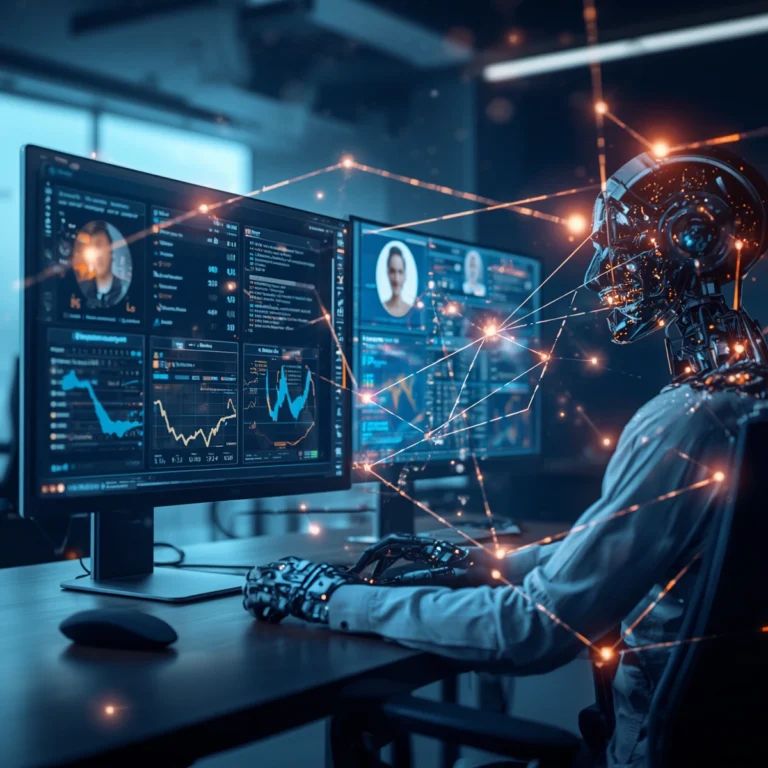
At the heart of any AI PR agent is its ability to monitor vast volumes of data in real-time. Unlike human teams that sample content or look at snapshots, AI can scan the web 24/7 across millions of data points. It can track emerging hashtags, news trends, customer complaints, or mentions of a brand or product in real-time. Using natural language processing and sentiment analysis, these systems can understand the tone of conversations, pick up emotional cues, and determine whether the buzz is positive, negative, or neutral.
Trend Forecasting and Early Warning
AI agents don’t just look at current data—they predict what comes next. By analyzing historical patterns, audience behavior, and correlations in datasets, agents can forecast whether a minor issue may escalate into a more significant one. For instance, an agent might detect that a negative hashtag gaining momentum in a particular region correlates with past incidents of brand boycotts, prompting companies to act before things spiral out of control.
Sentiment Analysis and Contextual Understanding
Understanding context is paramount in crisis communication. Not all mentions of a brand are created equal. Sentiment analysis allows AI agents to differentiate between praise, criticism, satire, sarcasm, or neutral reporting. Advanced agents can detect the emotional undercurrents of posts using deep learning models, understanding irony, cultural references, or regional languages that might otherwise be misinterpreted.
Misinformation and Fake News Detection
Misinformation is one of the biggest threats to reputational integrity. AI agents can cross-verify the content being circulated with trusted databases and identify cases where false claims are spreading. These systems can highlight the sources of misinformation, track how narratives evolve, and even model the network through which these stories propagate, helping crisis teams to counter narratives before they take hold.
Stakeholder and Influencer Mapping
During a crisis, knowing who is driving the conversation is critical. AI systems can analyze engagement data to identify key influencers, agitators, and amplifiers. This understanding allows brands to plan strategic engagements. For example, when a company is receiving criticism on Twitter, an AI system may identify that a few high-profile users are generating most of the impressions, making it much easier to perform damage control by engaging or correcting only a handful of actors rather than the entire digital ecosystem.
Crisis Response Simulation and Playbook Automation
Some AI agents are equipped to simulate possible crisis scenarios. By using data from past incidents, these systems can generate plays for how situations are likely to evolve and recommend proactive and reactive communication plans. Over time, they can also learn from an organization’s decision-making to surface better, context-specific action plans. This “playbook automation” essentially codifies best practices and accelerates crisis team deployments.
The Autonomous Side: AI Taking Action
AI-powered agents are increasingly capable of doing more than just warning about crises—they are starting to become part of the response strategy. This includes triggering automated press releases, drafting response templates, or taking over customer engagement through intelligent bots.
Chatbots, trained on crisis FAQs and tone-appropriate messaging, can immediately address stakeholders at scale across social media, messaging apps, and websites. Some platforms can even generate real-time video statements featuring AI avatars of company spokespersons reading vetted crisis messages that are consistent with brand tone and legal guidance.
Autonomous AI systems can also facilitate content suppression and reputation management. Upon detecting misleading content, these AI agents can notify internal teams, suggest optimized content to mitigate negative narratives, and collaborate with external platforms and partner networks to rectify misinformation on a large scale.
Real-World Applications of AI in Crisis Management
AI agents in crisis management are no longer theoretical—they are being used today by some of the world’s largest organizations, NGOs, governments, and media watchdogs.
Consumer Tech Sector
Companies like Apple and Samsung utilize AI-powered PR monitoring tools to track social media and global tech news, enabling early detection of backlash against new product launches or software issues. These insights inform swift action and crisis triage.
Government Communication
Government agencies employ AI agents to monitor unrest, sentiment, and disinformation campaigns. By tracking regional discontent and identifying manipulative actors, AI helps forecast civil disruption risks, informing communication strategies and security planning.
Financial Sector
Banks leverage AI-driven PR platforms to mitigate reputational and legal risks. Integrated with customer support tools, these platforms identify escalating user complaints that could lead to class-action lawsuits or media scrutiny, allowing legal and communication teams to prepare accordingly.
Hospitality and Travel Industry
The hospitality sector, vulnerable to crises like pandemics or tourism-related politics, uses AI to manage reviews, customer feedback, and location-based sentiment tracking. This enables effective brand reputation management across cities and countries.
Challenges and Ethical Considerations
Despite their many benefits, AI agents for crisis monitoring and PR management raise several ethical and operational concerns. Surveillance and over-monitoring can lead to dilemmas around user privacy. If deployed without oversight, such monitoring could touch into authoritarian territory, especially in politically sensitive regions where dissent is often suppressed under the guise of “crisis response.”
Bias in AI systems is another issue. Sentiment analysis models may misinterpret context, especially in minority languages or cultural discussions. Misdiagnosing satire as hate speech or interpreting regional dialects incorrectly can lead to faulty crisis responses and increase harm rather than reduce it.
There are also questions about how much autonomy should be given to AI agents. Should intelligent agents issue statements or adjust public narratives without human approval? What happens when two AI systems interact on opposing sides of a public confrontation—one trying to mitigate a crisis and the other trying to inflame it? These are complex questions that call for governance, human judgment, and accountability frameworks.
The Future of AI in Crisis Management
Multilingual and Multimodal AI Agents
The next generation of AI agents will understand not only text but also voice, video, and images, enabling them to detect and respond to visual signals and complaints across languages. This capability will allow companies to respond promptly to crises unfolding on diverse media platforms. By analyzing multimedia content, AI agents can identify emerging issues before they escalate. This proactive approach will be crucial in managing reputation and mitigating damage.
Monitoring Decentralized Networks
As blockchain-based social platforms rise, AI agents will need to evolve to track and respond to virality on fringe internet channels beyond mainstream platforms. Decentralized networks pose unique challenges due to their lack of central control and transparency. To address these challenges, AI agents must be designed to navigate these platforms’ complexities and identify potential crisis triggers. By doing so, organizations can stay ahead of emerging issues.
Simulating Stakeholder Reactions
Generative AI will be used to simulate stakeholder reactions during communication planning, allowing spokespeople to test messages on AI agents representing different demographics, rather than real people. This approach will enable organizations to anticipate and prepare for various stakeholder responses. By leveraging AI-driven simulations, communicators can refine their messaging and minimize the risk of missteps. This technology will revolutionize the way organizations approach crisis communication planning.
Co-Piloted Crisis Cells: Human-AI Collaboration
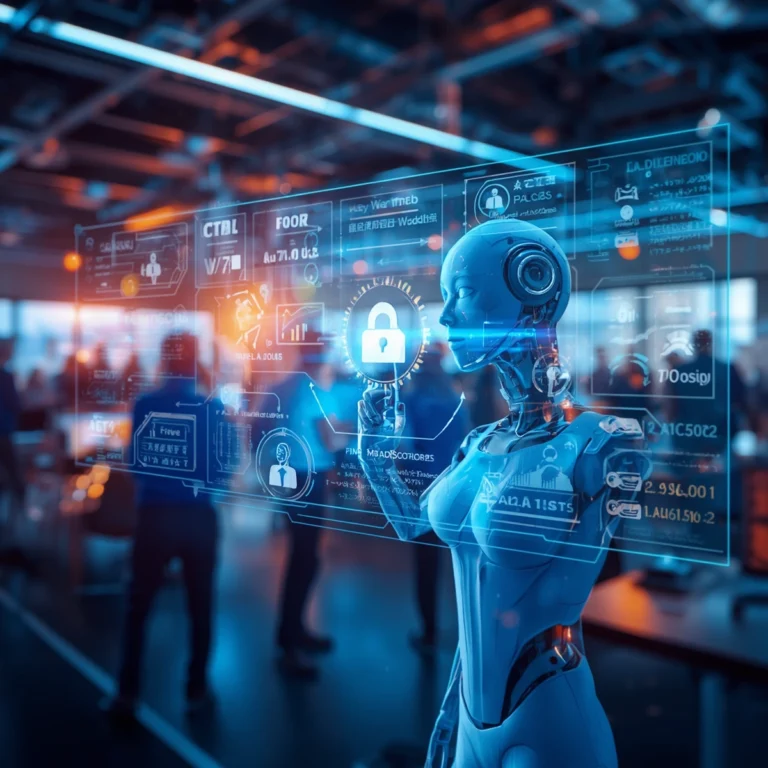
The future of crisis management will feature human communication managers working alongside AI copilots through augmented reality dashboards, visualizing narrative spread, emotional tone, and counter-messaging in real-time, enabling faster and smarter decision-making. This collaborative approach will combine the strengths of human intuition and AI-driven analytics. By working together, humans and AI agents can respond more effectively to rapidly evolving crises. This synergy will be critical in navigating the complexities of modern crisis communication.
Final Thoughts
AI agents are redefining the norms and expectations of crisis management and PR monitoring. In an era where reputational threats can appear and escalate instantly, organizations need systems that can match the speed of chaos, and AI delivers exactly that. It doesn’t replace human judgment, empathy, or leadership, but it does enhance decision-making, provide clarity under pressure, and offer a level of insight that human teams could never obtain alone.
Organizations that invest in these technologies are better prepared to protect themselves, not only from reputational damage but from the financial, legal, and human consequences that often accompany crises. As businesses and governments strive to stay ahead of the next PR storm, AI agents will become not just helpful assistants but indispensable teammates in navigating complexity, disinformation, and digital disruption.
DigitalsGalaxy helps B2B companies build reliable lead generation systems using cold email, LinkedIn outreach, AI voice agents, SMS follow-up, and CRM automation. We focus on the full outreach system — from infrastructure and targeting to messaging, follow-up, reporting, and optimization. Our goal is to help businesses create more qualified conversations and turn outbound into a scalable growth channel.