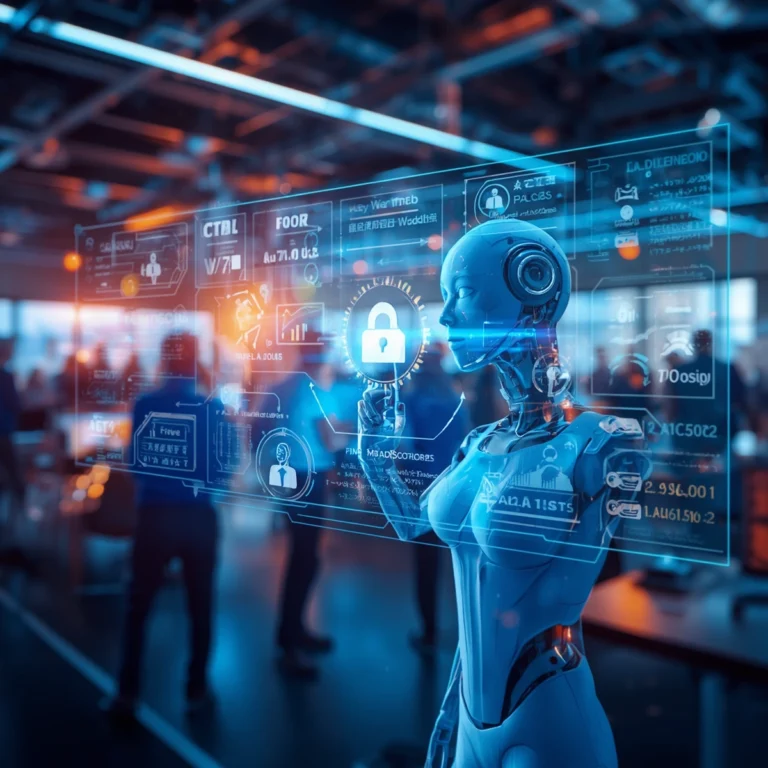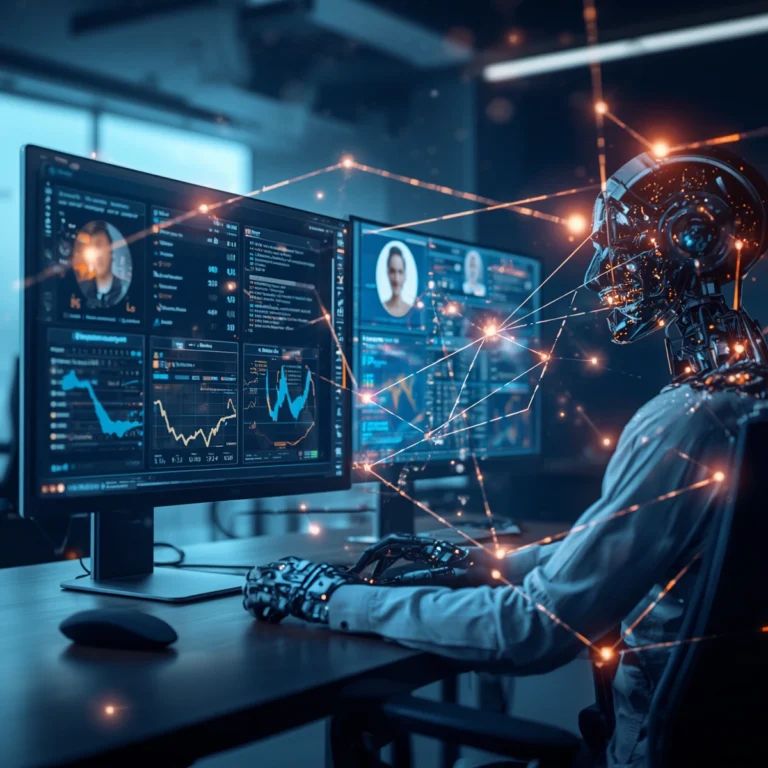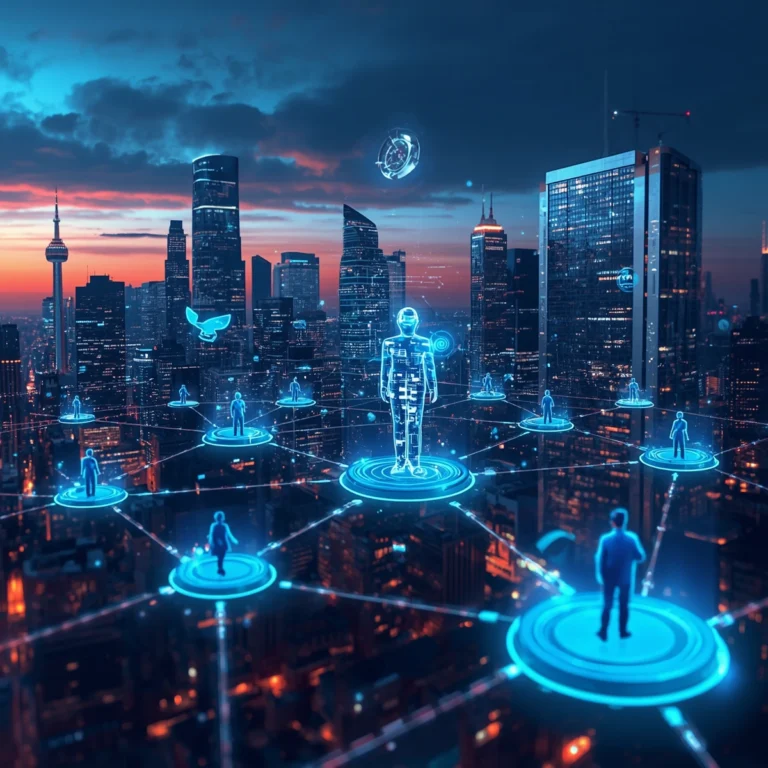

The digital marketing landscape is in a state of constant flux, driving brands to seek out fresh and effective ways to form meaningful connections with their target audiences. While social media influencers have revolutionized product promotion in recent years, the space has become increasingly crowded and, at times, fraught with controversy. As a result, forward-thinking companies are now exploring a bold new frontier: Agentic Influencers – virtual brand ambassadors powered by cutting-edge artificial intelligence. These digital personas offer unprecedented opportunities for brands to craft bespoke narratives, foster deeper engagement, and reach vast audiences with precision and scalability. By harnessing the potential of AI-driven influencers, businesses can potentially redefine the future of marketing and forge more authentic, lasting relationships with their customers.
These AI-driven personas combine cutting-edge conversational AI, generative models, and behavioral psychology to create compelling, human-like influencers that can engage with consumers 24/7, across platforms, without fatigue or inconsistency. Unlike traditional influencers who may have limited availability, unpredictable behavior, or reputational risks, agentic influencers offer brands full control, scalability, and precision in messaging.
This article explores the concept of agentic influencers, their potential impact on marketing strategies, the technologies that power them, and the ethical considerations surrounding their use. We’ll also look at real-world applications and provide insights into how businesses can effectively implement this emerging trend.
What Are Agentic Influencers?
The term “agentic” refers to autonomy—the ability of an entity to act independently, make decisions, and influence outcomes. In the context of marketing, Agentic Influencers are AI-generated personas designed to operate autonomously, interact with users, and drive engagement on behalf of a brand. These virtual ambassadors are not just chatbots or scripted bots; they are sophisticated entities capable of learning from interactions, adapting tone and content, and maintaining consistent brand identity across channels.
An agentic influencer could be a fully rendered digital avatar that appears in videos, live streams, and social media posts, or it could be a behind-the-scenes personality that communicates via text, voice, or even augmented reality experiences. Regardless of form, the goal remains the same: to build trust, foster community, and guide consumer behavior through personalized, intelligent interaction.
Unlike static advertisements or pre-recorded promotional content, agentic influencers offer dynamic, responsive engagement. They can answer questions, recommend products, share lifestyle tips, and even participate in trending conversations—all while staying aligned with the brand’s values and messaging strategy.
The Technology Behind Agentic Influencers
Creating a believable, effective agentic influencer requires a fusion of multiple advanced technologies:
1. Natural Language Processing (NLP)
At the core of any agentic influencer is NLP, which enables the AI to understand and respond to human language naturally. This includes sentiment analysis, intent recognition, and contextual awareness, allowing the influencer to hold meaningful, relevant conversations.
2. Generative AI Models
Large language models like GPT, Llama, and PaLM allow agentic influencers to generate original, contextually appropriate responses in real time. These models enable the influencer to maintain a consistent personality, adapt to different topics, and even inject humor or empathy where needed.
3. Computer Vision and Deepfake Technology
For visual agentic influencers, computer vision and deepfake technology play a crucial role. These tools enable realistic facial expressions, body language, and lip-syncing to audio, making the virtual persona appear more lifelike and relatable.
4. Voice Cloning and Speech Synthesis
To enhance realism, many agentic influencers are equipped with synthetic voices that mimic human speech patterns, intonations, and emotions. Voice cloning can be used to create unique vocal identities or replicate known personalities within legal boundaries.
5. Behavioral Analytics and Machine Learning
Over time, agentic influencers can learn from user interactions, refining their approach based on what resonates most with audiences. This continuous learning process helps improve engagement rates and ensures that the influencer evolves alongside consumer preferences.
Together, these technologies create a powerful ecosystem that allows agentic influencers to function as autonomous, emotionally intelligent brand representatives.
Why Brands Are Turning to Agentic Influencers
There are several compelling reasons why agentic influencers are gaining traction among forward-thinking marketers:
1. Scalability and Availability
Human influencers have limitations—they can only attend so many events, post so frequently, and engage with a finite number of followers. Agentic influencers, however, can operate around the clock, responding instantly to queries, generating content, and interacting with thousands of users simultaneously.
2. Cost-Effectiveness
While hiring top-tier influencers can be expensive, especially for long-term campaigns, agentic influencers represent a one-time investment that can yield returns indefinitely. Once developed, they require minimal maintenance and can be reused across multiple platforms and campaigns.
3. Consistency in Messaging
Human influencers may deviate from brand guidelines, either unintentionally or due to personal opinions. Agentic influencers, on the other hand, can be programmed to adhere strictly to brand voice, tone, and messaging standards, ensuring consistency in every interaction.
4. Global Reach Without Cultural Barriers
Agentic influencers can be localized to speak multiple languages, understand cultural nuances, and tailor content accordingly. This makes them ideal for global campaigns that need to resonate across diverse markets without requiring multiple human influencers.
5. No Reputational Risk
Traditional influencers can become embroiled in scandals or controversies that reflect poorly on associated brands. Since agentic influencers are controlled entirely by the brand, there’s no risk of unexpected behavior or off-brand statements.
6. Enhanced Personalization
With access to customer data and machine learning capabilities, agentic influencers can personalize interactions at scale. Whether recommending products based on past purchases or adjusting communication style to match user preferences, they can deliver highly tailored experiences.
Real-World Examples of Agentic Influencers
Several brands have already begun experimenting with agentic influencers, yielding promising results:
1. Shudu Gram – The Digital Supermodel
Created by Cameron-James Wilson, Shudu Gram is often cited as the first digital supermodel. Though initially created using CGI, her presence has since expanded into AI-powered interactions, where she engages with fashion brands and fans alike. While not fully autonomous yet, she represents the early stages of what agentic influencers can become.
2. Kizuna AI – The First Virtual YouTuber
Kizuna AI is a Japanese virtual YouTuber who rose to fame through animated avatars and AI-assisted interactions. She has collaborated with major brands like Toyota and Google, showcasing the potential for virtual influencers to build strong fan bases and drive brand engagement.
3. Noonoouri – The Fashion-Focused Avatar
Noonoouri is a digital doll who has walked runways for Balenciaga and Dior and appeared in campaigns for Gucci and Fendi. With a growing Instagram following, Noonoouri represents how agentic influencers can seamlessly integrate into high-end fashion marketing.
4. Meta’s AI Personas
Meta (formerly Facebook) has introduced AI-powered personas that assist users in creative tasks, content generation, and brand interaction. These AI agents are designed to feel like real people, enhancing user experience while promoting brand loyalty.
These examples highlight how agentic influencers are already shaping marketing strategies across industries—from beauty and fashion to tech and entertainment.
Strategies for Implementing Agentic Influencers in Marketing Campaigns
Successfully deploying agentic influencers requires careful planning, creative development, and strategic alignment with business goals. Here are key steps to consider:
1. Define the Persona and Purpose
Before launching an agentic influencer, brands must define its purpose, personality, and target audience. Will the influencer serve as a product expert, lifestyle coach, or customer service representative? Establishing clear objectives will guide the design and functionality of the agent.
2. Invest in High-Quality Visuals and Voice Design
If the influencer has a visual component, invest in realistic rendering, animation, and voice synthesis. A poorly designed avatar can come across as creepy or untrustworthy. Work with professional designers and voice actors to ensure authenticity and appeal.
3. Integrate Across Channels
To maximize reach, deploy the agentic influencer across multiple platforms—social media, websites, mobile apps, and even physical kiosks. Consistent presence across touchpoints reinforces brand visibility and user familiarity.
4. Enable Natural Conversations
Avoid robotic, scripted interactions. Use advanced NLP and generative AI to ensure that conversations flow naturally and feel spontaneous. Incorporate emotional intelligence to make the influencer more relatable and engaging.
5. Monitor Performance and Iterate
Use analytics tools to track engagement metrics, conversion rates, and user feedback. Continuously refine the influencer’s behavior, appearance, and messaging based on performance data. Regular updates keep the persona fresh and relevant.
6. Ensure Ethical Transparency
Clearly disclose that the influencer is AI-generated. Avoid misleading users about the nature of the interaction. Ethical transparency builds trust and aligns with regulatory expectations regarding AI and advertising.
7. Combine with Human Influencers Strategically
Rather than replacing human influencers entirely, consider integrating agentic influencers alongside them. For example, a human influencer could introduce the virtual ambassador, creating a hybrid campaign that leverages both authenticity and scalability.
The Impact on Consumer Behavior and Brand Loyalty
Agentic influencers have the potential to significantly reshape consumer behavior and brand loyalty dynamics. Here’s how:
1. Increased Engagement Through Novelty
Consumers are naturally drawn to novelty and innovation. An AI-powered influencer offers a fresh, futuristic experience that stands out in a crowded digital space. Early adopters of this technology can capture attention and differentiate themselves from competitors.
2. Personalized Customer Journeys
By leveraging zero-party data and real-time interaction, agentic influencers can guide customers through personalized journeys—from product discovery to post-purchase support. This level of customization enhances satisfaction and drives repeat business.
3. Building Emotional Connections
Despite being artificial, agentic influencers can foster emotional connections by offering consistent, empathetic, and responsive interactions. Over time, users may develop a sense of familiarity and trust with the influencer, translating into stronger brand affinity.
4. Reduced Friction in Decision-Making
Agentic influencers can streamline the purchasing process by answering questions, comparing products, and providing recommendations in real time. This reduces friction in decision-making and increases conversion rates.
5. Community Building and Social Proof
Some agentic influencers are designed to facilitate online communities, moderating discussions, sharing user-generated content, and encouraging peer-to-peer interaction. By curating positive experiences and highlighting satisfied customers, they reinforce social proof and credibility.
Ethical Considerations and Regulatory Challenges
As with any emerging technology, the rise of agentic influencers raises important ethical and legal questions:
1. Transparency and Disclosure
Consumers should always know when they’re interacting with an AI rather than a human. Failure to disclose the nature of the influencer could mislead users and damage trust. Regulatory bodies like the FTC have already issued guidelines requiring disclosure of AI-generated content.
2. Data Privacy and Consent
Agentic influencers may collect personal data during interactions. Brands must ensure compliance with data protection laws such as GDPR and CCPA, obtaining explicit consent before collecting or using sensitive information.
3. Bias and Representation
AI models can inadvertently perpetuate biases present in their training data. Brands must carefully audit their agentic influencers for fairness, inclusivity, and representation to avoid alienating certain demographics.
4. Impact on Human Employment
As agentic influencers gain prominence, concerns arise about their impact on human influencers and content creators. While AI cannot fully replace the depth of human connection, it’s essential to find a balance that supports both technological advancement and workforce sustainability.
5. Manipulation and Psychological Effects
Highly persuasive agentic influencers could potentially manipulate consumer behavior in subtle, subconscious ways. Marketers must exercise caution to ensure that interactions remain ethical, transparent, and respectful of user autonomy.
Future Trends in Agentic Influencer Marketing
Looking ahead, we can expect several exciting developments in the field of agentic influencers:
1. Integration with Metaverse and Web3 Platforms
As the metaverse gains traction, agentic influencers will play a central role in virtual worlds, guiding users through immersive brand experiences, NFT drops, and digital fashion shows.
2. Emotionally Intelligent Avatars
Future agentic influencers may incorporate emotion detection and adaptive behavior modeling, allowing them to respond more sensitively to user moods and psychological states.
3. Decentralized Ownership and Governance
With blockchain and DAO technologies, users may have the opportunity to co-create or govern agentic influencers, giving them a stake in the digital persona’s evolution and decision-making.
4. Real-Time Co-Creation with Users
Advanced agentic influencers could allow users to co-create content, customize avatars, or even train the AI based on their preferences, fostering deeper engagement and brand loyalty.
5. Cross-Platform Interoperability
As AI agents become more standardized, we may see agentic influencers that can move seamlessly between platforms—appearing on Instagram, TikTok, Discord, and beyond—without losing continuity or identity.
Conclusion: The Rise of the Digital Persona Era
Agentic influencers mark the beginning of a new era in digital marketing—one where brands can harness the power of AI to create compelling, autonomous personas that engage consumers in innovative and impactful ways. As technology continues to evolve, these virtual ambassadors will become more intelligent, expressive, and integral to the customer experience.
However, success in this space requires more than just technical capability—it demands creativity, ethical responsibility, and a deep understanding of human psychology. Brands that embrace agentic influencers thoughtfully, transparently, and strategically will not only stand out in a competitive market but also forge lasting relationships with their audiences in the digital age.
The future of influencer marketing is not just human—it’s hybrid, intelligent, and powered by AI.
DigitalsGalaxy helps B2B companies build reliable lead generation systems using cold email, LinkedIn outreach, AI voice agents, SMS follow-up, and CRM automation. We focus on the full outreach system — from infrastructure and targeting to messaging, follow-up, reporting, and optimization. Our goal is to help businesses create more qualified conversations and turn outbound into a scalable growth channel.