
In the ever-evolving landscape of digital marketing, understanding the customer journey has become increasingly complex. Consumers today interact with brands through a myriad of channels—social media, email, search engines, websites, and even offline touchpoints like physical stores and events. This complexity makes it crucial for businesses to accurately attribute conversions to the right marketing channels. By doing so, they can optimize their marketing strategies, allocate resources more effectively, and ultimately maximize their return on investment (ROI).
The Role of Autonomous Agents
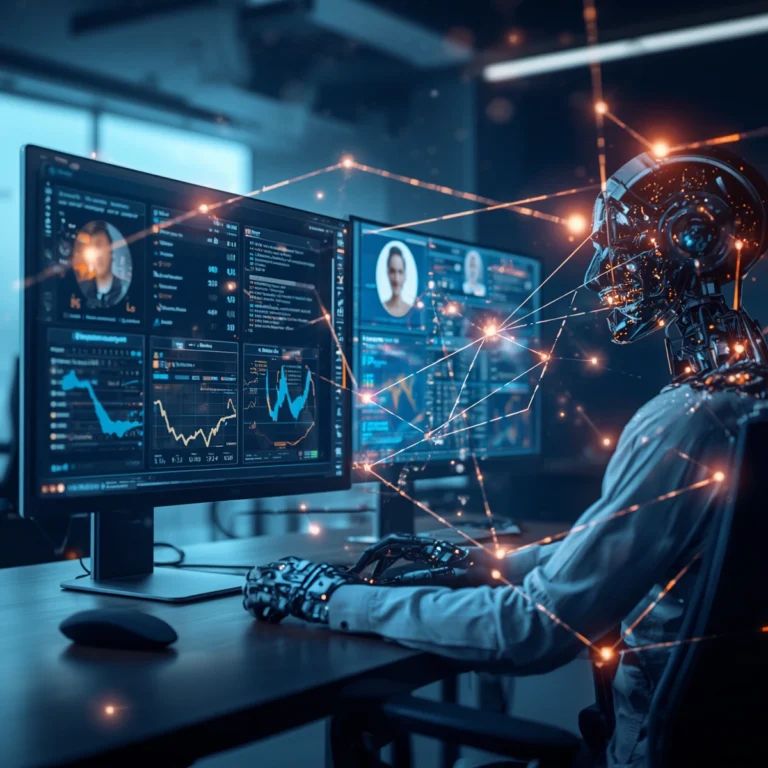
Traditional multi-channel attribution models have long been the standard for understanding the customer journey. However, these models often fall short in capturing the nuances and complexities of modern consumer behavior. They rely on fixed rules and assumptions that may not accurately reflect the dynamic and non-linear nature of today’s customer interactions. This is where autonomous agents come into play. Autonomous agents, powered by artificial intelligence (AI) and machine learning, offer a groundbreaking approach to reimagining and revolutionizing multi-channel attribution. These intelligent systems can independently analyze data, make decisions, and take actions to achieve specific goals, providing a more accurate and nuanced understanding of the customer journey.
Understanding Multi-Channel Attribution
Defining Multi-Channel Attribution
Multi-channel attribution is the process of determining the value of each marketing channel in the customer journey and assigning credit for conversions accordingly. Unlike single-touch attribution models that attribute conversions to a single touchpoint, multi-channel attribution recognizes that consumers interact with brands across multiple channels before making a purchase. By assigning credit to each touchpoint, businesses can gain a more comprehensive understanding of the factors that drive conversions and optimize their marketing strategies accordingly.
The Complexity of Consumer Interactions
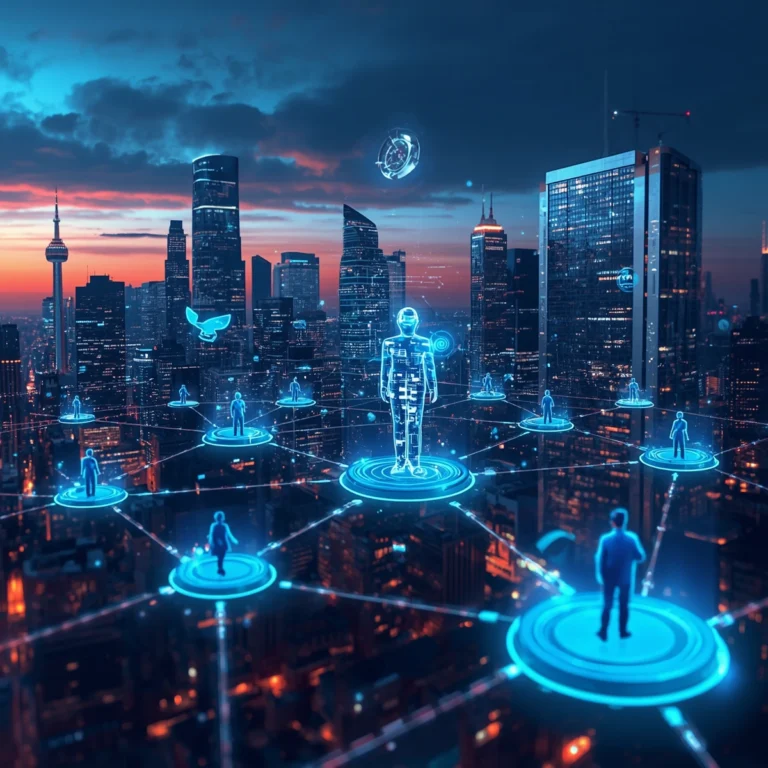
In today’s digital landscape, consumers interact with brands through a variety of touchpoints. For example, a consumer might discover a brand through a social media ad, visit the brand’s website to learn more, sign up for the brand’s email newsletter, and finally make a purchase after receiving a promotional email. Each of these touchpoints plays a role in the customer journey, and understanding the impact of each interaction is essential for optimizing marketing strategies. This complexity makes multi-channel attribution a challenging but crucial task for businesses.
The Challenges of Traditional Attribution Models
Oversimplification of the Customer Journey
While traditional attribution models have provided valuable insights, they also present several challenges and limitations. One of the primary challenges is the oversimplification of the customer journey. Traditional models often rely on fixed rules and assumptions that may not accurately reflect the dynamic and non-linear nature of consumer behavior. For example, a last-click attribution model attributes all the credit for a conversion to the final touchpoint, ignoring the influence of earlier interactions. This oversimplification can lead to suboptimal resource allocation and missed opportunities for optimization.
Lack of Granularity
Another challenge is the lack of granularity in traditional attribution models. These models often treat all touchpoints equally, without considering the unique characteristics and contributions of each channel. For example, a social media interaction may have a different impact on the customer journey than a search engine click, but traditional models may not account for these differences. This lack of granularity can result in a less accurate understanding of the customer journey and less effective marketing strategies.
Susceptibility to Bias
Additionally, traditional attribution models can be susceptible to bias and inaccuracies. For example, a last-click attribution model may overvalue the final touchpoint and undervalue the influence of earlier interactions. This bias can lead to an incomplete understanding of the customer journey and suboptimal resource allocation. Furthermore, traditional models may not account for the impact of external factors, such as seasonality or market trends, which can further complicate the attribution process.
The Rise of Autonomous Agents
The Capabilities of Autonomous Agents
Autonomous agents are AI-powered systems that can independently analyze data, make decisions, and take actions to achieve specific goals. In the context of multi-channel attribution, autonomous agents can leverage advanced algorithms and machine learning to analyze vast amounts of data and identify patterns and insights that may be missed by traditional models. These intelligent systems can continuously learn and adapt, ensuring that the attribution model remains accurate and relevant over time.
Benefits of Autonomous Agents
The use of autonomous agents in marketing attribution offers several benefits. First and foremost, autonomous agents can provide a more accurate and nuanced understanding of the customer journey. By analyzing data from multiple touchpoints and considering the unique characteristics of each channel, autonomous agents can assign credit for conversions in a way that reflects the true impact of each interaction. This accuracy can lead to more effective marketing strategies, better resource allocation, and improved ROI.
Benefits of Using Autonomous Agents in Attribution
Capturing Complexities and Nuances
The use of autonomous agents in multi-channel attribution offers several key benefits for businesses. One of the primary benefits is the ability to capture the complexities and nuances of the customer journey. Autonomous agents can analyze data from multiple touchpoints and consider the unique characteristics of each channel, providing a more accurate and granular understanding of the factors that drive conversions. This level of detail can help businesses identify the most effective marketing channels and optimize their strategies accordingly.
Adaptability Over Time
Another benefit of using autonomous agents is the ability to adapt and evolve over time. Traditional attribution models often rely on fixed rules and assumptions, which may become outdated as consumer behavior changes. Autonomous agents, on the other hand, can continuously learn and adapt, ensuring that the attribution model remains accurate and relevant. This adaptability can help businesses stay ahead of the curve and respond to changing market conditions and consumer preferences.
Actionable Insights and Recommendations
Additionally, autonomous agents can provide actionable insights and recommendations for optimization. By analyzing data and identifying patterns and trends, autonomous agents can help businesses identify opportunities for improvement and make data-driven decisions. For example, an autonomous agent might identify that a particular marketing channel is underperforming and recommend reallocating resources to a more effective channel. These insights can lead to more effective marketing strategies, better resource allocation, and improved ROI.
Implementing Autonomous Agents in Attribution
Data Collection and Integration
Implementing autonomous agents in multi-channel attribution involves several key steps. The first step is to collect and integrate data from multiple sources, including social media, email, search engines, and websites. This data is then used to train the autonomous agents and develop the attribution model. It is important to ensure that the data is accurate, complete, and representative of the customer journey to ensure the effectiveness of the attribution model.
Defining Goals and Objectives
The next step is to define the goals and objectives of the attribution model. This involves identifying the key performance indicators (KPIs) that will be used to measure success and determining the specific insights and recommendations that the autonomous agents will provide. For example, a business might define its goal as increasing the ROI of its marketing campaigns and identify KPIs such as conversion rate, customer acquisition cost, and customer lifetime value.
Training and Deployment
Once the goals and objectives are defined, the autonomous agents can be trained and deployed. This involves using advanced algorithms and machine learning techniques to analyze the data and develop the attribution model. The autonomous agents can then be integrated into the marketing workflow, providing real-time insights and recommendations for optimization. It is important to continuously monitor and evaluate the performance of the autonomous agents to ensure that they are meeting the defined goals and objectives.
Case Studies: Successful Implementations
E-Commerce Success Story
Several businesses have successfully implemented autonomous agents in their multi-channel attribution strategies. For example, a leading e-commerce company used autonomous agents to analyze data from multiple touchpoints and develop a more accurate and granular understanding of the customer journey. By leveraging the insights provided by the autonomous agents, the company was able to optimize its marketing strategies, improve resource allocation, and achieve a significant increase in ROI. The autonomous agents identified that the company’s social media ads were particularly effective at driving conversions, leading the company to reallocate resources to this channel and achieve a 20% increase in ROI.
Global Travel Brand Optimization
Another example is a global travel brand that used autonomous agents to analyze data from social media, email, and search engines. The autonomous agents provided actionable insights and recommendations for optimization, helping the brand to improve its marketing strategies and achieve a higher conversion rate. For example, the autonomous agents identified that the brand’s email marketing campaigns were particularly effective at driving conversions among repeat customers, leading the brand to focus its email marketing efforts on this segment and achieve a 15% increase in conversion rate.
The Future of Multi-Channel Attribution
Advancements in AI and Machine Learning
The future of multi-channel attribution looks promising, with advancements in AI and machine learning continuing to drive innovation. As autonomous agents become more sophisticated and capable, they will be able to provide even more accurate and granular insights into the customer journey. This will enable businesses to optimize their marketing strategies, improve resource allocation, and achieve better ROI. One of the key trends in the future of multi-channel attribution is the integration of autonomous agents with other emerging technologies, such as augmented reality (AR) and virtual reality (VR).
Integration with Emerging Technologies
By combining the power of AI with the immersive experiences offered by AR and VR, businesses can create highly personalized and engaging experiences that capture the attention of consumers and drive conversions. For example, a retail brand might use AR to allow consumers to virtually try on clothing items, while an autonomous agent analyzes the data from these interactions to provide personalized recommendations and drive conversions. This integration of technologies can provide a more comprehensive and engaging customer experience, leading to increased conversions and ROI.
Real-Time Analysis and Optimization
Another trend is the use of autonomous agents to analyze and optimize the customer journey in real-time. By continuously monitoring and analyzing data, autonomous agents can provide real-time insights and recommendations for optimization, enabling businesses to adapt and evolve their marketing strategies in response to changing consumer behavior. For example, an autonomous agent might identify a sudden increase in traffic from a particular marketing channel and recommend reallocating resources to capitalize on this trend. This real-time analysis and optimization can help businesses stay ahead of the curve and respond to changing market conditions and consumer preferences.
Ethical Considerations and Challenges
Potential for Bias and Discrimination
While the use of autonomous agents in multi-channel attribution offers significant benefits, it also raises important ethical considerations and challenges. One of the primary concerns is the potential for bias and discrimination in the algorithms used by autonomous agents. If the data used to train the autonomous agents is biased or incomplete, the resulting insights and recommendations may be inaccurate or unfair. For example, if the training data is biased against a particular demographic group, the autonomous agents may produce recommendations that are discriminatory against this group.
Transparency and Explainability
Another challenge is the issue of transparency and explainability. Autonomous agents often rely on complex algorithms and machine learning techniques, which can be difficult to understand and interpret. This lack of transparency can make it challenging for businesses to trust the insights and recommendations provided by the autonomous agents and to ensure that they are making ethical and responsible decisions. To address this challenge, businesses must ensure that the algorithms and models used by autonomous agents are transparent and explainable. This can involve using techniques such as model interpretability and explainable AI to provide insights into how the autonomous agents make decisions.
Conclusion
The use of autonomous agents in multi-channel attribution offers significant benefits for businesses, including a more accurate and nuanced understanding of the customer journey, the ability to adapt and evolve over time, and actionable insights and recommendations for optimization. By leveraging the power of AI and machine learning, businesses can gain valuable insights into the factors that drive conversions and make data-driven decisions to improve their marketing strategies.
However, the use of autonomous agents also raises important ethical considerations and challenges, including the potential for bias and discrimination, and the issue of transparency and explainability. To address these challenges, businesses must take a proactive and ethical approach to the use of autonomous agents, ensuring that the data and algorithms are accurate, complete, and unbiased, and that the insights and recommendations are transparent and explainable.
Embracing the Future of Multi-Channel Attribution
As technology continues to advance, the future of multi-channel attribution looks promising, with even greater opportunities to leverage the power of AI and machine learning to optimize marketing strategies and improve ROI. By embracing the potential of autonomous agents and addressing the ethical considerations and challenges, businesses can create a more accurate, nuanced, and effective approach to multi-channel attribution and drive success in the digital age.
DigitalsGalaxy helps B2B companies build reliable lead generation systems using cold email, LinkedIn outreach, AI voice agents, SMS follow-up, and CRM automation. We focus on the full outreach system — from infrastructure and targeting to messaging, follow-up, reporting, and optimization. Our goal is to help businesses create more qualified conversations and turn outbound into a scalable growth channel.